By the Lizano kitchen guide
A bottle of Salsa Lizano often comes home from Costa Rica with a clear memory attached: breakfast with rice and beans, lunch at a small restaurant, or a plate that tasted better after a splash from the green-labeled bottle. Back in your own kitchen, the question is practical. Where should that flavor go next?
Start with a familiar meal. Rice, beans, eggs, potatoes, and grilled vegetables give you room to learn the sauce without changing your whole dinner. Lizano brings vegetable-and-spice flavor with sweetness, tang, and a little warmth. It can season food in the pan or finish it at the table. The right amount depends on the other ingredients, especially anything already salty.
This guide offers cooking suggestions for everyday meals, including a simple rice-and-beans method. Use it alongside the instructions and ingredient information on your bottle. Different cooks make gallo pinto differently, and a useful home version leaves room for the beans, rice, and vegetables you have.
Get to know the flavor
Before adding sauce to a whole pan, try a little on a spoonful of plain cooked rice. Taste the rice first, add a few drops, and taste again. This small comparison tells you more than a large splash into an already seasoned dish. Notice the savory character, the sweetness, and the tang. Then decide which part of your meal could use that combination.
The classic sauce is a smooth condiment rather than a bowl of chopped tomato salsa. That difference matters when following a recipe. A cup of fresh salsa contributes a substantial amount of vegetables and moisture; a spoonful of Lizano seasons the ingredients already in the pan. They have different jobs, even though both carry the word salsa.
The brand describes its flavor in terms of vegetables and spices. The product imagery names onion, cucumber, cauliflower, carrot, cumin, and garlic. Treat that as a flavor introduction, not a complete ingredient or allergen declaration. The label on the bottle you receive is the place to check the full formulation.
Keep the first experiment simple. When a meal already contains a sweet glaze, a salty seasoning blend, and a sharp dressing, the effect of another sauce becomes hard to judge. Plain beans with sautéed onion make a more useful starting point. You can build more complicated combinations once you know how a measured spoonful tastes in your food.
Start with rice and beans
In its Lizano cooking material, Unilever calls the brand “la salsa tradicional de los Ticos”, or the traditional sauce of Costa Ricans. That connection gives rice and beans a useful cultural starting point. You can enjoy the combination at home while leaving room for the different ways families prepare and serve it.
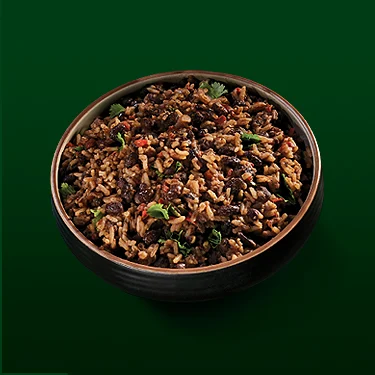
Gallo pinto is a natural first dish for Lizano. Unilever's own cooking material connects the sauce with this Costa Rican rice-and-beans staple. The appeal is easy to understand: the grains and beans take up seasoning, while onion, pepper, and herbs add their own texture and aroma. It can be breakfast with eggs or part of a larger lunch.
For a flexible home version, gather cooked rice, cooked black beans, a little bean cooking liquid or water, chopped onion, chopped sweet pepper, a small amount of cooking oil, and cilantro if you enjoy it. Have the sauce and a spoon ready before turning on the stove. Using cooked ingredients keeps the final pan stage focused on seasoning and texture.
As a starting proportion, use about two cups of cooked rice to one cup of cooked beans. This is a suggestion for adjusting a small pan, not a rule for authentic gallo pinto. If you prefer more beans, increase them. If the rice is very soft or the beans are fragile, stir gently and give the mixture a little more room.
- Warm a broad pan over medium heat with enough oil to lightly coat the base. Add a small chopped onion and a chopped sweet pepper. Cook, stirring, until they soften. Keep the heat moderate so the onion becomes tender without turning bitter.
- Add the cooked beans with a small spoonful of their liquid. Stir them through the vegetables. Start with one teaspoon of Lizano, then let the mixture warm through. You can add more after the rice goes in.
- Add the cooked rice and fold it into the beans. Break up clumps gently with the edge of a spoon. If the pan looks dry, add a spoonful of bean liquid or water. Aim for grains that are seasoned and moist without sitting in a puddle.
- Taste a spoonful containing both rice and beans. Add a little more sauce only if you want more of its flavor. Check salt after this step, because both canned beans and the sauce may already contribute enough.
- Stir in chopped cilantro at the end if using it. Serve with eggs, sliced avocado, or another accompaniment you enjoy. Leave the bottle on the table so each person can finish their own portion.
A broad pan helps moisture escape. If you double the ingredients in the same small pan, the mixture may steam and soften more than you expect. Cook in two batches or choose a wider pan. This is particularly helpful with soft leftover rice, which needs gentle handling rather than repeated pressing and stirring.
Canned beans make the method convenient, but their seasoning varies. Taste a bean before it goes into the pan. If you rinse the beans, use water or an appropriate unsalted liquid to loosen the mixture. If you keep some can liquid, add it gradually; its saltiness and thickness affect the result.
Serve a small portion to yourself before setting out the whole pan. If it tastes flat, consider whether it needs more sauce, fresh herbs, or a different accompaniment. If it is already strongly seasoned, add more plain rice and beans. Adding water alone spreads the flavor temporarily but does not remove salt from the dish.
Make a second meal with what you have
The next use does not need to be another pot of rice and beans. Try a small amount of sauce with an ingredient already in your weekly routine. Cooking this way makes the bottle useful without filling the cupboard with ingredients for a single recipe.
Eggs and breakfast plates
For scrambled eggs, cook them as you normally would and add a few drops of sauce to one portion at the table. This lets you judge the flavor before mixing it through the entire pan. With fried eggs, the sauce can go beside the egg or over the rice underneath it, so you keep the yolk and crisp edges as you like them.
A breakfast plate can also be built from separate elements: warm rice and beans, an egg, sliced avocado, and something fresh. Season each part lightly, then bring them together. A strong sauce on every component can make the plate taste uniform. Leaving some ingredients plain gives the seasoned rice something to sit alongside.
Potatoes and vegetables
Roasted potatoes work well with a small finishing drizzle. Roast them until they have the texture you want, transfer a portion to a bowl, and toss with a little sauce. Keeping the sauce for the finish makes it easier to control the amount without wetting the whole baking tray.
For a skillet of vegetables, let the vegetables brown before adding a spoonful of sauce near the end. If the pan is dry, loosen the sauce with a little water and stir briefly. Start with a small quantity, especially when cooking a single serving. Vegetables release different amounts of moisture, so look at the pan rather than relying on an exact cooking time.
Beans beyond breakfast
A pot of beans can become a side dish, a bowl lunch, or the base for a wrap. Season a serving first if the whole pot will be used in several meals. Keeping some beans plain gives you flexibility for another recipe later in the week. Add the sauce to the portion you are about to eat and adjust it with the rest of the dish in mind.
For a quick bowl, put warm beans over rice, add a crunchy vegetable, and finish with herbs. The contrast between warm, soft ingredients and something crisp often contributes as much to the meal as another seasoning. A little Lizano can connect the rice and beans without needing to coat everything in the bowl.
Wraps and sandwiches
Use seasoned beans, cooked vegetables, or leftover grilled food as the filling for a wrap. Add sauce to the filling before rolling so you can control moisture. A very wet filling makes a tortilla difficult to hold. If you want more sauce, serve it alongside the wrap rather than pouring it into an already full tortilla.
A sandwich spread is another small experiment: mix a few drops into a spoonful of your usual mayonnaise or plain yogurt, taste, and adjust. Make only what you need for that meal. This is a serving suggestion, and the ingredients you choose determine the final flavor and any dietary considerations.
Use it in a marinade or finishing sauce
Lizano can bring seasoning to a marinade, but it does not need to carry every part of the mixture. Decide what your food needs. Oil helps distribute a marinade over a surface; herbs add aroma; another acidic ingredient changes the tang. Because the sauce already has several flavor elements, start with a short ingredient list.
For a small batch of vegetables, combine a little sauce with cooking oil, coat lightly, and cook using your usual method. Keep enough space between pieces for them to brown. If they are crowded or dripping wet, you may get more steaming than browning. Reserve a separate clean spoonful of sauce for the table if you want a stronger finish.
When marinating meat or poultry, follow reliable food-safety guidance for storage and cooking. Keep raw foods refrigerated while marinating, and keep utensils used with raw food away from cooked food. Sauce does not replace appropriate cooking. For current practical guidance, consult the USDA's safe food-handling advice.
Set aside any sauce intended for serving before it touches raw food. This simple habit keeps the finishing sauce separate and avoids confusion when you are moving between the preparation area and the stove or grill. Label or position the clean bowl clearly if several people are helping cook.
For a pan sauce, cook the main ingredients first, then use a small amount of liquid to loosen flavorful browned bits from the pan. Add a little Lizano and taste. A pan sauce reduces as it cooks, so its seasoning becomes more concentrated. Stop reducing when the texture and flavor work together, rather than waiting for an arbitrary time.
If a sauce becomes too strong, increasing the unsalted ingredients is usually more useful than adding another bold condiment. A little sweetness may change how you perceive the taste, but it does not remove salt. For a weeknight dinner, it can be simpler to serve a smaller amount of the sauce with a plain side.
Adjust the whole plate
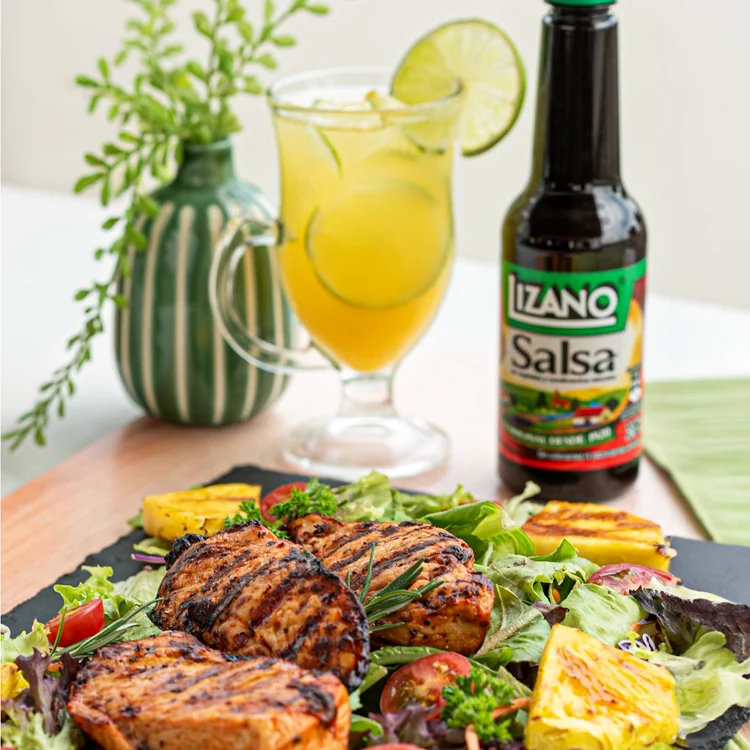
Think about seasoning across the meal. A plain grain, a seasoned protein, and fresh vegetables give you several ways to balance each bite. If every element is heavily seasoned, the final plate can feel intense even when each part tasted reasonable on its own.
The selected bottle's gallery shows 320 mg sodium per tablespoon, or 15 ml. That is useful context when deciding how much to add, but the label on the bottle you receive is the final reference. Measure if the amount matters to you. A casual splash is hard to compare from one meal to the next.
| If the food tastes… | Try this next |
|---|---|
| Underseasoned | Add a small measured amount of sauce, stir, and taste again. |
| Too strongly seasoned | Fold in more plain rice, beans, or vegetables where the dish allows. |
| Heavy or one-note | Serve with a fresh, crisp accompaniment or a little fresh herb. |
| Too wet | Use a wider pan and allow excess moisture to evaporate gently. |
| Dry or difficult to stir | Add a spoonful of water or suitable unsalted cooking liquid. |
Make one change at a time. If you add sauce, salt, sugar, and lime together, you will not know which change helped. Taste a small spoonful between adjustments. The aim is to make the meal pleasant to eat, not to make every flavor as strong as possible.
Temperature also affects the way you experience food. Taste when a spoonful is comfortable to eat rather than straight from a very hot pan. Then check again at the table if necessary. This is another reason to leave room for a final small addition instead of doing all the seasoning early.
Choose a bottle for your routine
The available formats on this site contain the same classic vegetable-and-spice style of sauce. Your choice is about bottle size and pack quantity. A smaller bottle is convenient on a crowded table; a larger one is useful when you regularly season pans of rice and beans.
The two small bottles option contains two 280 ml bottles, labeled 9.5 fl oz each. It suits someone who wants one open bottle and one sealed spare. It also gives you a straightforward way to share a bottle without transferring sauce into another container.
The everyday bottle holds 625 ml, labeled 21.1 fl oz. This is a practical starting point if you already know the flavor or expect to use it in several meals. The pantry pair contains two bottles of that size.
Check both the bottle size and the number of bottles in the purchase tab. A lower total price does not always mean a lower price per fluid ounce, and a larger pack is only useful if it fits your needs. Shipping charges, seller details, and the final offer can also affect your decision.
Our displayed prices are checked snapshots. Confirm the current price and selected pack before completing an order. The purchase button opens the selected product in a new tab, where the seller handles payment, delivery, and any available order support.
Keep the bottle useful
After opening, follow the storage directions on your own bottle. Keep the cap and bottle neck clean, close the cap securely, and check the printed date. Do not assume a storage instruction from another condiment also applies to this sauce.
Pour into a clean spoon when you want to measure a small amount. This is easier than estimating a splash over a hot pan, and it lets you repeat a result you liked. If a recipe works especially well, write down the amount of sauce along with the quantity of rice, beans, or vegetables.
Keep an unopened spare with the label facing forward so you can see what it is and check its date. Open one bottle at a time unless you have a clear reason to use both. When you finish a bottle, choose the next one according to its printed date and condition.
For the next meal, return to one simple idea: cook something familiar, add a little sauce, and taste. A useful pantry ingredient earns its place through repeated meals. Rice and beans are a good beginning, but eggs, vegetables, and a quick wrap give the same bottle several jobs during the week.